Make a Wish: A Designer’s Review for Fall Apparel
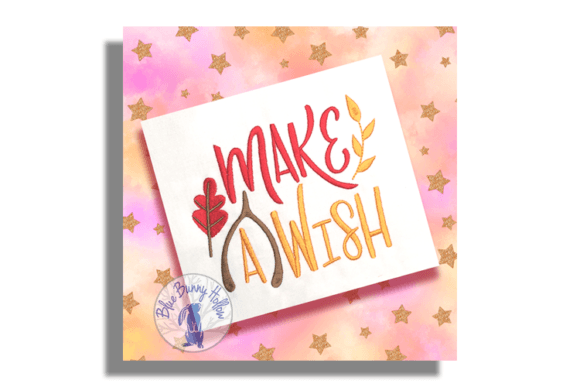
As an embroidery designer who spends countless hours digitizing and testing patterns, I approach every new Creative Fabrica embroidery download with a critical eye. We are not just looking for pretty pictures; we are looking for stitchability, commercial viability, and aesthetic appeal that translates well to fabric. Recently, I downloaded Make a Wish to evaluate its potential for my upcoming autumn collection. This design promises to celebrate the spirit of gratitude and the beauty of fall, adorned with rich hues of autumn leaves and a wishbone. After reviewing the intricate creation, I have formed a clear opinion on how this machine embroidery design fits into a boutique apparel lineup.
Visual Personality and Stitching Mood
The first impression of Make a Wish is one of rustic elegance. It does not scream for attention with neon brightness or overly complex, dense fills that might pucker lightweight fabrics. Instead, it captures a mood that is both playful and classic. The inclusion of the wishbone adds a symbolic layer of gratitude that resonates deeply during the Thanksgiving season, while the autumn leaves provide a natural, organic frame.
From a technical standpoint, the design feels premium. The balance between open space and stitched areas suggests a thoughtful approach to stitch density. For boutique brands, this is crucial. A design that is too dense can feel heavy and stiff on a garment, whereas Make a Wish appears to offer a decorative strength that complements the fabric rather than overpowering it. It feels trendy yet timeless, making it suitable for customers who appreciate subtle, meaningful details in their custom apparel.
Performance on Sweatshirts and Hoodies
My primary test case for this embroidery file was a small sweatshirt and hoodie collection intended for an online shop. Neutral sweatshirts in oatmeal, sage green, and charcoal provided the perfect canvas. On these heavier fabrics, the design held its structure beautifully. The sweatshirt embroidery looked crisp, with the leaf details standing out against the soft fleece texture.
For hoodie design placements, I found that the chest area offered the best visibility without distorting the zipper or pocket lines. However, I also experimented with sleeve accents. Placing a smaller version of the wishbone element on the cuff added a unique touch that elevated the perceived value of the garment. On dark apparel, such as navy or black hoodies, the design required careful selection of thread colors. Using gold, burnt orange, and cream threads created a striking contrast that highlighted the intricate nature of the leaves.
When working with oversized garments, the scale of Make a Wish remained proportional. It did not get lost on larger surfaces, nor did it look cluttered. This versatility is a significant advantage for Etsy sellers and small clothing brands that offer a range of sizes and fits.
Versatility Across Product Lines
Beyond hoodies, I explored how this design performs on other items. For t-shirt embroidery, the key is managing the stretch. Since t-shirts are often made of thinner, more elastic materials, the design requires a stable foundation. On denim jackets, the rugged texture of the denim paired wonderfully with the rustic theme of the autumn leaves. The stiffness of the denim supported the stitches well, resulting in a durable and professional finish.
Tote bags are another excellent candidate for this digital embroidery file. The flat surface allows for precise stitching, and the seasonal theme makes these bags highly marketable as holiday gifts. For lifestyle product photos, the warm tones of the design photograph exceptionally well, enhancing social media graphics and printable mockups. This visual consistency helps build brand identity and increases customer engagement.
Strategic Placement and Fabric Considerations
While Make a Wish is versatile, there are areas where caution is necessary. Small chest placements require precision to ensure the intricate details of the wishbone and leaves do not merge. On stretchy fabric or ribbed areas, such as the cuffs or waistbands of sweatshirts, the design may distort if not properly stabilized. I recommend avoiding placement directly on curved surfaces that undergo significant tension during wear.
Dense stitch areas should be monitored, especially on lighter fabrics. If the design includes fine lettering or tiny elements, ensure they are legible after stitching. Testing on scrap fabric is non-negotiable. Always check how the design interacts with the specific fabric texture you are using. Fleece, for example, may require a different stabilizer approach than cotton twill.
Enhancing Brand Value and Professional Presentation
Incorporating high-quality designs like Make a Wish into your boutique brand can significantly affect apparel value. Customers associate clean, well-executed embroidery with higher quality and trust. When buyers see consistent, professional presentation in your finished product, they are more likely to return and recommend your shop. This design supports that goal by offering a polished look that appeals to a wide audience.
For commercial embroidery projects, the ability to create cohesive collections is vital. Make a Wish can serve as a centerpiece for a Thanksgiving-themed line or as part of a broader autumnal series. Its aesthetic flexibility allows it to blend with other designs, creating a harmonious visual identity for your small shop product offerings.
Practical Notes for Embroidery Designers
Before launching any production run, adhere to these practical steps:
- Test on Scrap Fabric: Always stitch a sample on the exact material you intend to use for the final product.
- Check Stabilizer Choice: Use cut-away stabilizers for stretchy fabrics like hoodies and tear-away for stable woven fabrics like tote bags.
- Review Thread Color Contrast: Ensure your thread palette enhances the design’s details, especially on dark garments.
- Confirm Hoop Size: Verify that the design fits within your machine’s hoop capabilities. Since specific dimensions are not detailed in the brief description, check the Creative Fabrica product page for exact measurements.
- Inspect Stitch Density: Look for areas that may be too dense for lightweight fabrics and adjust if necessary.
- Compare Placement Options: Experiment with chest, sleeve, and back placements to find the most appealing look for your target market.
- Check Licensing: Before selling finished apparel, review the license terms on Creative Fabrica to ensure compliance with commercial use policies.
In conclusion, Make a Wish is a strong contender for any designer looking to add a touch of autumnal warmth to their portfolio. Its blend of gratitude symbolism and natural beauty makes it a compelling choice for handmade product creators. By paying attention to fabric choices and stabilization, you can leverage this design to create standout pieces that resonate with customers seeking quality and style.