Gingerbread Cottage 5: A Designer’s Review for Merch
As an embroidery designer who has spent years digitizing files for small business owners, I approach every new machine embroidery design with a critical eye. It is not just about whether a pattern looks cute on a screen; it is about how it performs in the real world of commercial production. Recently, I reviewed Gingerbread Cottage 5, and I want to share my professional assessment for those looking to elevate their holiday merchandise.
This design falls squarely into the Christmas category, but its application extends far beyond seasonal decorations. For boutique owners, Etsy sellers, and local brands, the right graphic can define your brand identity for months. Here is how this specific pattern holds up when subjected to the rigors of branded patch use, custom apparel, and handmade product lines.
First Impressions: Visual Personality and Appeal
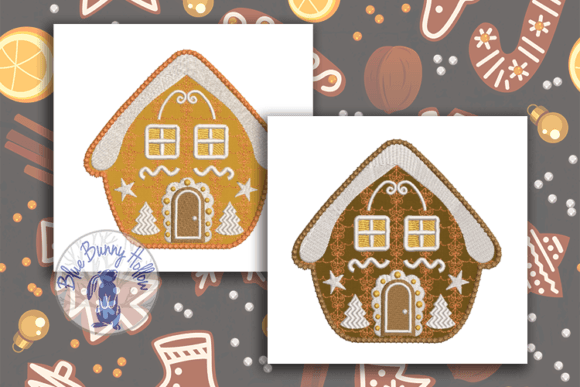
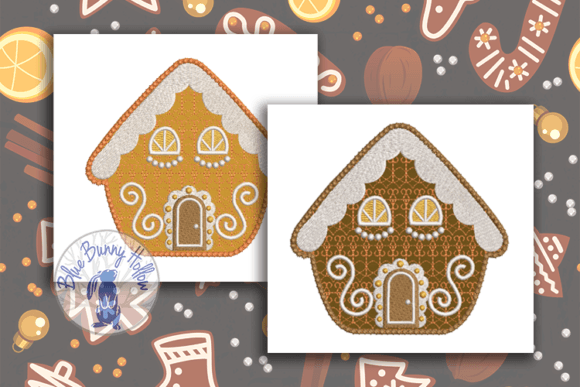
The first thing that strikes you about Gingerbread Cottage 5 is its charming, intricate nature. The description highlights decorative stitches that bring a sweet holiday cottage to life, specifically noting the use of white thread. From a design perspective, this suggests a high level of detail intended to mimic icing or snow, which immediately sets a playful yet premium tone.
For a small business, visual personality is crucial. This design does not feel generic. It feels handmade, rustic, and warm. If you run a bakery, a florist shop, or a creative studio, this aesthetic aligns perfectly with a brand that values craftsmanship and comfort. It is not overly modern or stark; instead, it offers a classic, decorative appeal that invites customer engagement. However, "intricate" is a double-edged sword in embroidery, which leads us to discuss practical performance.
Real-World Business Applications
When evaluating a digital embroidery file for commercial use, I look for versatility. Can this design work across different substrates? Here is where Gingerbread Cottage 5 shows its strength as a asset for small business merch.
- Embroidered Patches: This is perhaps the strongest use case. A patch allows you to control the fabric background, ensuring the white thread pops. It creates a tangible, high-value item that customers love to collect.
- Apron Embroidery: For bakeries or craft workshops, embroidering this cottage on staff aprons adds a layer of professionalism. It signals attention to detail and reinforces the holiday theme without being overwhelming.
- Tote Bag Design: Canvas bags provide a stable surface for detailed stitching. This design could serve as a central focal point for holiday gift sets or retail packaging additions.
- Cap Embroidery: While possible, this requires caution. The front panel of a cap is curved and limited in space. You must ensure the design scales down without losing its defining features.
Using this design on custom apparel like work shirts or uniforms can boost team morale and brand recognition. When customers see consistent branding, it builds trust. A well-executed embroidered logo or motif suggests that you care about quality, which translates to perceived value in your finished product.
Technical Considerations for Production
Before you load this embroidery file into your machine, there are critical technical factors to address. The mention of "intricate decorative stitches" and "white thread" raises specific concerns regarding stitch density and contrast.
Stitch Density and Fabric Texture: Intricate designs often have higher stitch counts. If the density is too high for lightweight fabrics, you risk puckering or fabric distortion. Always test on a scrap piece of your actual production material. For textured fabrics like terry cloth or heavy wool coats, the fine details might get lost. In such cases, consider using a cutaway stabilizer to support the weight of the stitches.
Thread Color Contrast: The design relies on white thread. On dark uniforms or navy tote bags, this will look stunning. However, on light beige or cream fabrics, the design may vanish. You must evaluate your inventory. If you primarily sell light-colored goods, you might need to adjust the thread colors or add a satin stitch border to create separation from the background.
Hoop Size and Scaling: Check the recommended hoop size before purchasing. If the design is large, it may not fit on standard cap frames or small chest pockets. Conversely, if you scale it down too much for a small patch, the intricate details may merge, turning a charming cottage into an unreadable blob. Always create a printable mockup at actual size to verify legibility.
Strategic Branding and Customer Trust
Why does this matter for your bottom line? Because brand identity is built on consistency and quality. Using a high-quality design like Gingerbread Cottage 5 elevates your offerings from simple commodities to curated experiences.
When a customer receives a tote bag or a shirt with crisp, clean embroidery, they perceive higher value. This is especially true for handmade products. The tactile nature of embroidery connects the buyer to the maker. It suggests that time and care were invested, which justifies a higher price point. Furthermore, seasonal designs drive urgency. Limited-edition holiday merch creates a fear of missing out, boosting sales during the critical Q4 period.
However, professionalism is key. Sloppy embroidery damages reputation. Ensure your tension is correct, your needles are sharp, and your stabilizer is appropriate. A botched job on a dark uniform is costly and hard to fix. Take the time to inspect spacing and thread breaks before running a full batch.
Practical Designer Notes for Implementation
To ensure success with this design, follow these steps before committing to full production:
- Test in Black and White First: Print the design outline in grayscale. If you cannot distinguish the shapes without color, the design may be too complex for small sizes.
- Verify Commercial Licensing: Never assume a file is free for commercial use. Confirm the license terms included with the digital embroidery file to protect your business legally.
- Create Client Mockups: If you are doing work for other businesses, show them a realistic preview on their specific garment type. Manage expectations regarding size and placement.
- Check File Formats: Ensure the file is compatible with your specific machine brand. Conversion can sometimes alter stitch paths, so always use the native format if possible.
- Assess Wash Durability: Items like aprons and tote bags undergo frequent washing. Test a sample through multiple wash cycles to ensure the white thread does not discolor or fray excessively.
In conclusion, Gingerbread Cottage 5 is a strong contender for businesses looking to add a touch of holiday warmth to their branded merchandise. It offers a blend of charm and intricacy that appeals to consumers seeking authentic, handmade aesthetics. By respecting the technical limitations of embroidery and strategically placing the design on suitable products, you can create assets that enhance your brand identity and drive sales. Remember, the difference between a good product and a great one often lies in the details of execution.