Reviewing the Autism Awareness Design for Holiday Collections
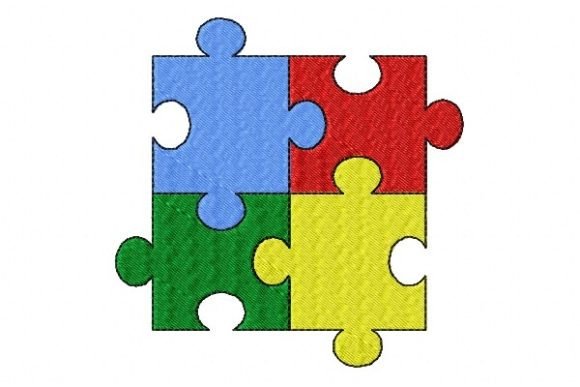
As an embroidery designer who spends countless hours analyzing stitch paths and color palettes, I approach every new machine embroidery design with a critical eye. It is not just about whether the file stitches out cleanly; it is about how that design translates into a finished product that resonates with customers. Recently, I reviewed the Autism Awareness design, specifically looking at its potential within seasonal and holiday product lines. This cute embroidery of Autism Awareness will add a friendly and playful accent to any fabric. Stitch this adorable embroidery on children’s clothing, and the little ones will love it. This machine emb file offers a unique opportunity for creators to blend advocacy with festive cheer.
First Impressions: Mood and Decorative Style
When I first loaded the digital embroidery file into my software, the immediate impression was one of warmth and inclusivity. The design does not scream for attention with aggressive contrasts; instead, it invites curiosity. For holiday collections, we often look for themes that are cozy, nostalgic, or playful. This design leans heavily into the playful and cute aesthetic, which is perfect for the winter holiday season where families are gathering and gifts are being exchanged.
The decorative style is approachable. It avoids overly complex layered details that might become muddy on thick fabrics, making it a versatile choice for various applications. The emotional tone is supportive and joyful, which aligns perfectly with the spirit of giving. Whether you are aiming for a modern minimalist look or a rustic handmade vibe, this Embroidery piece adapts well because its core message is universal and heartfelt.
Strategic Placement in Seasonal Product Lines
For Etsy sellers and small business owners, the key to success during the holidays is diversification. You cannot rely on a single item type. Here is how I envision this Autism Awareness design performing across different product categories:
- Sweatshirt Embroidery: This is perhaps the strongest application. A left-chest placement on a high-quality hoodie creates a subtle yet meaningful statement. It works beautifully for family matching sets, a huge trend during the holidays.
- Tote Bag Design: Holiday shoppers need sturdy bags for gift transport. Embroidering this design on canvas totes adds value and turns a utility item into a handmade gift that promotes awareness.
- Kitchen Towel Embroidery: For those who prefer home decor, stitching this onto flour sack towels creates a charming, low-cost entry point for buyers. It adds a personal touch to holiday hosting.
- Pillow Cover: A neutral linen pillow cover with this colorful design can brighten up a living room during the winter months, serving as a year-round reminder of support and love.
- Embroidered Patch: If you want to offer versatility, creating iron-on patches allows customers to apply the design to jackets, backpacks, or hats themselves.
Each of these items serves a different customer need. Some are buying for themselves, while others are seeking a personalized gift for a loved one who advocates for neurodiversity. By offering the same embroidery file output across multiple products, you create a cohesive brand story.
Navigating Technical Challenges and Fabric Textures
While the design is adorable, practical execution requires attention to detail. As a designer, I must warn against blindly trusting the default settings. Here are specific areas where caution is needed:
- Stitch Density: Always check the stitch density before running a full production batch. If the density is too high for lightweight fabrics, you risk puckering. Conversely, on thick towels, ensure the underlay is sufficient to prevent the design from sinking into the fabric texture.
- Hoop Size: Confirm the required hoop size matches your machine’s capabilities. If you are planning to stitch this on curved caps, you may need a specialized cap frame and potentially a scaled-down version of the design to fit the contour properly.
- Thread Colors: Test your thread colors on both light and dark fabrics. The vibrancy of autism awareness colors can vary significantly depending on the background. On dark garments, you might need a white underlay or adjusted thread shades to maintain visibility.
- Stabilizer Selection: Do not skimp on stabilizer. For stretchy garments like sweatshirts, a cut-away stabilizer is essential to maintain the integrity of the stitch over time and through repeated washing.
Additionally, be cautious with tiny lettering if the design includes text. Small details can get lost or merge together if the needle size is too large or the thread tension is off. Always run a test stitch on a scrap piece of the exact material you intend to sell.
Boosting Sales Through Emotional Connection
During the holiday shopping period, buyers are driven by emotion. They want gifts that tell a story. The Autism Awareness design taps into a deep sense of community and support. When you market this as part of your seasonal embroidery collection, you are not just selling a stitched image; you are selling solidarity.
This affects buyer emotion and product value significantly. Customers are often willing to pay a premium for items that reflect their values. By positioning this as a commercial embroidery asset for your shop, you build customer trust. It shows that your brand is inclusive and aware of diverse needs. This visual recognition can lead to higher engagement on social media, especially if you share behind-the-scenes content of the stitching process.
Create realistic mockups and printable mockup graphics for your listings. Show the design on a child wearing a cozy sweater next to a holiday tree. Show it on a tote bag filled with gifts. These visuals help the customer imagine the product in their own life, increasing the likelihood of conversion.
Final Designer Notes for Implementation
Before you launch this design in your holiday drop, there are a few final checks to perform. First, verify the commercial licensing terms. Ensure that the license accompanying the digital embroidery file allows for the sale of finished physical goods. Most designers provide this, but it is crucial to confirm to protect your small shop product line.
Second, plan your color palettes. While the standard autism awareness colors are recognizable, consider offering variations. Perhaps a pastel version for spring or a muted, rustic version for fall. This extends the life of the design beyond a single season.
Finally, remember that quality control is your best marketing tool. Review every stitched item for loose threads or missed stitches. A clean, professional finished product leads to repeat customers and positive reviews. The Autism Awareness design is a powerful tool in your arsenal, combining aesthetic appeal with meaningful advocacy. Use it wisely, stitch it carefully, and watch it bring joy to your customers this holiday season.