Reviewing the Logo Design for Real-World Embroidery Projects
As a designer who has spent countless hours digitizing and stitching out files for clients, I approach every new machine embroidery design with a mix of curiosity and caution. We have all been there: a digital preview looks flawless on the screen, but the reality under the needle tells a different story. Recently, I evaluated a specific file simply titled Logo, categorized under Shapes within the broader world of Embroidery. My goal was not just to admire its aesthetic, but to determine if it holds up in the rigorous environment of commercial production and handmade craftsmanship.
First Impressions and Visual Personality
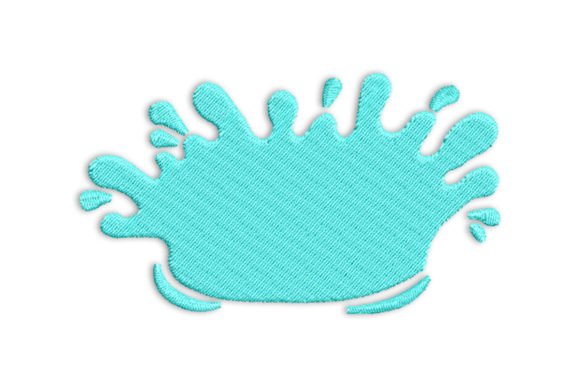
The initial encounter with this embroidery file reveals a distinct charm. It is described as having intricate details and an adorable appeal, which immediately suggests it is well-suited for projects that require a touch of warmth and personality. The shape-based nature of the design implies a strong structural foundation, which is crucial for maintaining clarity after stitching. When I look at the layout, I am assessing how the visual weight is distributed. A balanced design prevents puckering and ensures that the final finished product looks professional rather than haphazard.
The mood this design creates is inviting. It does not scream for attention with aggressive lines but rather draws the viewer in with its detailed composition. For an Etsy seller or a small shop owner, this kind of visual personality is gold. It translates well into products that are meant to be gifted or kept as cherished items. The intricacy suggests that it will stand out against plain fabrics, making it an ideal candidate for personalized gifts where the recipient expects a high level of care and detail.
Real-World Application: The Tote Bag Test
To truly understand the viability of this design, I imagined a common real-life scenario: preparing a custom embroidered tote bag for a local boutique client. Tote bags are often made from canvas or heavy cotton, fabrics that can be challenging due to their texture and weave. In this context, the Logo design needs to have sufficient stitch density to cover the fabric grain without sinking in.
If this design utilizes a combination of satin stitch borders and fill stitch interiors, it would perform admirably on a tote. The satin edges would provide a crisp outline, ensuring the shape remains recognizable even from a distance, while the fill would add substance. However, if the design relies heavily on fine running stitch details, I would be cautious. On textured canvas, thin lines can get lost or appear uneven. For a tote bag design like this, clarity is paramount. Customers need to recognize the motif instantly. If the intricate details are too small, they may merge together during stitching, resulting in a muddy appearance rather than the intended charm.
Versatility Across Product Lines
Beyond tote bags, this design shows promise for various other applications. For sweatshirt embroidery, the softness of fleece requires a design that is not overly dense, to avoid stiffness. If the stitch density is moderate, this logo could add a lovely accent to the chest or sleeve of a hoodie. It would also work well for baby embroidery projects, such as bibs or onesies, provided the scale is adjusted appropriately. The "adorable" descriptor fits perfectly here, appealing to parents looking for unique, handmade items for their children.
For those running a craft business, versatility is key. This design could easily transition into an embroidered patch if stitched on twill with a merrowed edge, or it could serve as a central motif on a pillow cover. The shape category suggests it might be geometric or symbolic, which lends itself well to holiday embroidery or seasonal decor. Imagine this design stitched onto a kitchen towel for a housewarming gift; the durability of the stitches would need to withstand frequent washing, so proper stabilization is non-negotiable.
Technical Considerations and Potential Pitfalls
While the aesthetic is promising, practical execution requires careful planning. One must consider the hoop size relative to the design dimensions. If the design is large, it may require re-hooping, which introduces the risk of misalignment. For curved surfaces like caps or hats, the rigidity of the design matters. A stiff, densely stitched shape might not conform well to the curve of a baseball cap, leading to distortion. In such cases, testing on scrap fabric is essential.
Fabric choice plays a critical role. On dark fabrics, the thread colors must offer high contrast. If the design relies on subtle shading, it may disappear on black or navy materials. I always recommend creating printable mockups or digital previews in black and white to check for contrast issues before committing to thread. Additionally, for stretchy fabrics like jersey knits used in t-shirts, a cut-away stabilizer is mandatory to prevent the design from warping after wear and wash. Without proper support, even the best-digitized digital embroidery file can fail.
Enhancing Brand Value and Customer Trust
From a business perspective, the quality of your embroidery directly impacts customer trust. A clean, well-stitched Logo enhances brand consistency. If you are selling custom apparel or boutique merchandise, the precision of this design reflects your professionalism. Buyers engage more with products that look polished. The intricate details, if executed correctly, signal that time and skill were invested in the creation process. This perceived value allows for higher pricing and better customer retention.
However, one must verify the licensing terms. Before using this design for commercial embroidery projects, ensure that the license permits the sale of finished items. Many designers offer different tiers for personal versus commercial use. Ignoring this can lead to legal issues down the line. Always read the documentation provided with the design assets.
Practical Notes for the Embroiderer
- Test on Scrap Fabric: Always stitch a test run on the same type of fabric you intend to use for the final product. This helps identify tension issues and density problems.
- Check Thread Contrast: Ensure your thread colors stand out against the background fabric. Use high-contrast combinations for better visibility.
- Review Stitch Density: If the design feels too stiff after stitching, consider reducing the density in your editing software if possible, or choose a lighter fabric.
- Confirm Hoop Size: Make sure your machine’s hoop can accommodate the design dimensions without requiring complex re-hooping maneuvers.
- Inspect Small Details: Zoom in on the digital file to check for tiny elements that might not stitch out cleanly. Simplify if necessary.
- Use Proper Stabilizer: Match the stabilizer to the fabric type. Cut-away for knits, tear-away for wovens, and wash-away for delicate or sheer fabrics.
- Verify Licensing: Confirm whether the file allows for commercial sales of finished goods or if it is for personal use only.
In conclusion, the Logo embroidery design offers a charming and versatile option for a wide range of projects. Its success lies in the hands of the embroiderer. By paying attention to fabric selection, stabilization, and stitch quality, you can transform this digital file into a stunning physical product. Whether for a small shop product or a personalized gift, this design has the potential to delight, provided it is handled with the technical respect it deserves.