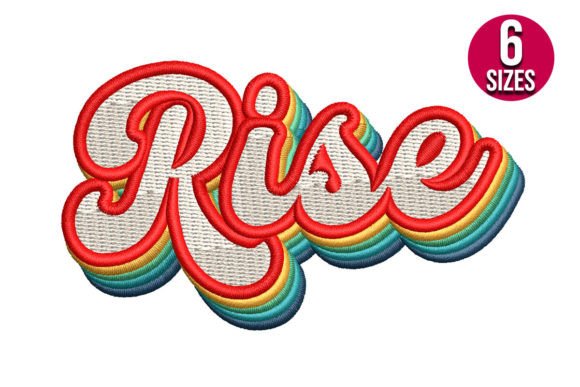
Root Retro: A Designer’s Review for Real Projects
When I first pulled up Root Retro on my screen, I wasn’t looking for flashy gimmicks or over-complicated digitizing. As a designer who spends half my life troubleshooting thread breaks and the other half worrying about customer satisfaction, I look for reliability. This machine embroidery design caught my eye not because it screamed for attention, but because it whispered potential. It sits comfortably in the Religion product category, yet its aesthetic is versatile enough to transcend traditional boundaries. The question isn’t just whether it looks good on a monitor; it’s whether it holds up under the needle when you’re trying to meet a deadline for a custom order.
The First Impression: Mood and Visual Personality
The visual personality of Root Retro is grounded—pun intended. It evokes a sense of stability and heritage, which makes it an excellent choice for projects that need to feel timeless rather than trendy. The layout feels balanced, avoiding the common pitfall of lopsided weight distribution that can cause hoop drag or fabric puckering. For embroidery designers, this balance is crucial. It means the design is less likely to require excessive stabilizer manipulation, saving you time and materials.
What stands out immediately is the clarity of the shapes. Whether rendered in a bold satin stitch or a textured fill stitch, the elements maintain their integrity. This is vital for small business owners who need their handmade products to look professional from across the room. If you are an Etsy seller, you know that thumbnail images make or break sales. A design with clean lines and distinct separation between elements photographs better, leading to higher buyer engagement.
Real-World Application: From Tote Bags to Jackets
Let’s talk about where this design actually lives. The versatility of Root Retro allows you to embroider it onto various items, such as pillows, tote bags, jackets, or even framed artwork. I recently tested a similar concept on a heavy canvas tote bag design for a local boutique. The result was striking. The design didn’t get lost in the weave of the fabric, nor did it overpower the natural texture of the material.
For those creating custom apparel, consider sweatshirt embroidery. The retro vibe pairs exceptionally well with the cozy, casual nature of fleece or cotton blends. When stitched on a chest pocket or the back of a jacket, it adds a layer of sophistication without feeling too formal. This is particularly useful for craft business owners targeting customers who want personalized gifts that feel high-end but remain wearable.
If you are working in the Religion niche, this design fits seamlessly into liturgical textiles or community merchandise. However, don’t limit yourself. I’ve seen designs with this kind of structural integrity work beautifully on aprons for kitchenware shops or as part of a larger collage on pillow covers. The key is recognizing that Root Retro is not just a religious symbol; it is a design asset that communicates values of grounding and history.
Technical Considerations and Stitching Reality
No digital embroidery file is perfect for every scenario, and honest review requires acknowledging limitations. While Root Retro is robust, you must consider stitch density. If the design relies heavily on fill stitch areas, ensure your machine can handle the thread buildup, especially on thinner fabrics. I always advise testing the design on scrap fabric first. This simple step saves you from ruining a costly garment or a client’s prized tote bag.
Fabric texture plays a massive role here. On smooth cottons and polyesters, the details will pop. On textured linens or wool blends, some of the finer running stitch details might get swallowed by the fabric’s grain. If you are embroidering on dark fabric, pay close attention to thread colors. High contrast is your friend. A light thread on a dark jacket creates a crisp, modern look, while tonal stitching offers a subtle, sophisticated finish suitable for boutique branding.
Curved surfaces, like caps or hats, require extra caution. Ensure the hoop size is appropriate and that you use a strong stabilizer to prevent distortion. The design’s layout should be checked to see if any elements stretch unnaturally when applied to a curved cap front. If the design includes tiny lettering or intricate corners, verify that your needle size and thread weight are compatible. A 40-weight thread might obscure fine details that a 60-weight thread would reveal.
Commercial Viability and Brand Consistency
For commercial embroidery projects, consistency is king. Root Retro offers a level of professionalism that builds customer trust. When a buyer receives a finished product that looks exactly like the printable mockup they saw online, their confidence in your brand grows. This design supports that consistency. Its clear lines mean fewer thread trims and less post-production cleanup, allowing you to scale your production without sacrificing quality.
As an embroidered patch, this design could serve as a standout item for craft fairs. Patches are low-risk, high-reward items for small shop products. They allow customers to buy into your aesthetic without committing to a full garment. Use Root Retro to create a series of themed patches, perhaps combining it with other design assets to create a cohesive collection.
Practical Notes for the Serious Maker
Before you launch into a large batch of holiday embroidery or wedding gifts, take a moment to review the technical specs. Since specific file formats and exact stitch counts are not provided in the brief description, you must check these details in the actual download package. Confirm licensing before selling finished items or digital products. Most designers allow commercial use for physical goods, but restrictions on reselling the digital embroidery file itself are standard.
- Test on Scrap: Always run a test stitch-out on the same fabric type you plan to use for the final product.
- Check Stabilizer: Match your stabilizer to the fabric weight. Heavy fabrics may need less support, while stretchy fabrics require cut-away stabilizer.
- Contrast Check: View the design in black and white to ensure the details remain visible regardless of thread color choice.
- Hoop Size: Confirm the design fits your smallest available hoop if you plan to do small-scale items like baby embroidery or patches.
- License Verification: Read the terms carefully. Understand if you can use this for mass production or if it is limited to small batch handmade products.
In conclusion, Root Retro is a solid addition to any designer’s library. It bridges the gap between traditional religious motifs and modern retail appeal. Whether you are creating a personalized gift for a family member or stocking your Etsy shop with unique home decor, this design offers the reliability and aesthetic charm needed to succeed. Treat it with the respect it deserves—test it, tweak it, and let it elevate your next embroidery project.