Tatted Heart Review: A Delicate Lace Embroidery Gem
As an embroidery designer who spends countless hours digitizing and stitching out designs for clients, I have developed a keen eye for what makes a machine embroidery design truly viable for commercial use. It is not just about how pretty the preview image looks on a screen; it is about stitch flow, density management, and the final aesthetic when transferred onto fabric. Recently, I came across Tatted Heart on Creative Fabrica, and it immediately caught my attention for its intricate, lace-like appearance. This review explores whether this design holds up under the scrutiny of real-world project demands.
First Impressions and Visual Appeal
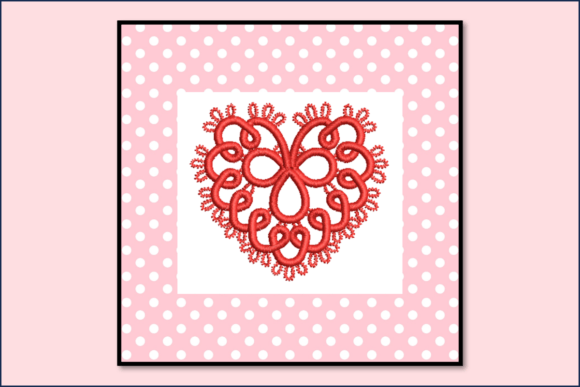
The first thing that strikes you about Tatted Heart is its delicate nature. The description notes that the heart is a symbol of love, making this little ornament perfect to include whether for Valentines Day or Christmas. Visually, the design mimics the look of traditional tatting or bobbin lace, which adds a layer of vintage sophistication that is often missing in standard digital files. For embroidery designers and handmade shop owners, this level of detail can elevate a simple item into a boutique-quality piece.
The design is described as free-standing lace and is completed in the hoop. This is a crucial detail for any serious embroiderer. Free-standing lace (FSL) requires precise tension and high-quality thread to ensure the structural integrity of the piece. The visual mood here is romantic and refined, suggesting that this design would pair beautifully with soft textiles like linen, cotton voile, or even sheer organza. It does not scream for attention with bold, blocky fills but rather invites closer inspection with its fine, interconnected lines.
Practical Applications for Commercial Projects
When evaluating a new embroidery file, I always ask myself where it fits in a product line. Tatted Heart is versatile, though its delicate structure dictates specific uses. Here are several ways this design can be integrated into a small business inventory:
- Handmade Gifts and Ornaments: Since it is a free-standing lace design, it can be stitched out independently and used as a hanging ornament for Christmas trees or Valentine’s day decor. This eliminates the need for a background fabric, reducing material costs.
- Apparel Accents: While FSL is fragile, it can be appliquéd onto sturdy fabrics. Imagine this heart stitched separately and then carefully hand-stitched onto a denim jacket pocket or a knit sweatshirt. It adds a unique, textured element to custom apparel that printed graphics cannot replicate.
- Home Decor: Incorporating this design into pillow covers or kitchen towels requires care. It works best as a focal point on items that do not undergo heavy industrial washing. A decorative throw pillow in a nursery or a guest bedroom towel set would benefit from this elegant touch.
- Etsy Listings and Craft Fairs: Buyers on platforms like Etsy are often looking for personalized gifts with a handmade feel. Using Tatted Heart in your product photography can significantly boost visual appeal and brand consistency, signaling quality and attention to detail.
Technical Considerations for Stitching Success
Working with free-standing lace designs requires a different approach than standard fill or satin stitch projects. Because Tatted Heart is completed in the hoop without a permanent fabric backing, the choice of stabilizer and thread is paramount. I recommend using a water-soluble stabilizer that dissolves cleanly, leaving no residue on the delicate lace bridges. If the stabilizer is too stiff or difficult to remove, it can distort the fine details of the tatted effect.
Thread selection also plays a critical role. For FSL, polyester thread is often preferred over rayon due to its strength and durability, especially if the finished product will be handled frequently. However, if you are aiming for a softer, more matte finish, high-quality rayon can work, provided the stitch density is not too high. Always check the stitch density in your software before hitting start. If the design is too dense, it may become brittle; if too sparse, it may lack definition.
Another practical note concerns hoop size. Ensure your machine’s hoop can accommodate the design dimensions comfortably. Since the design is intricate, any misalignment or hooping tension issues will be immediately visible. I advise doing a test run on scrap fabric with the same stabilizer you plan to use for the final product. This allows you to inspect small details after stitching and confirm that the lace connections are secure.
Enhancing Product Value and Buyer Trust
In the world of commercial embroidery, perceived value is everything. A generic heart design might sell, but a Tatted Heart suggests craftsmanship. When customers see the texture and depth of free-standing lace, they associate it with higher effort and skill. This can justify a higher price point for your handmade products. Furthermore, using such distinctive design assets helps in creating a cohesive brand identity. If your shop specializes in romantic, vintage, or delicate aesthetics, this design aligns perfectly with that narrative.
For those creating printable mockups or digital listings, the contrast of white or cream thread against dark fabric can be stunning, but it must be executed flawlessly. Any loose threads or puckering will be magnified in high-resolution photos. Therefore, taking the time to trim jump stitches and press the finished lace properly is essential for maintaining buyer trust.
Final Verdict and Licensing Notes
Before integrating Tatted Heart into your workflow, it is vital to review the specific file details and licensing terms on the Creative Fabrica product page. While many designs on the platform come with commercial licenses allowing you to sell finished physical items, restrictions may apply to digital resale or mass production limits. Always confirm these details to protect your business.
Additionally, since the product description mentions it is a machine embroidery design but does not specify file formats or exact hoop sizes, you must verify compatibility with your specific machine model. Download the sample files if available, or check the included format list to ensure you have the correct file type for your embroidery software.
In conclusion, Tatted Heart is a charming and technically interesting addition to any embroidery designer’s library. It offers a unique aesthetic that stands out in a crowded market of standard fills and simple shapes. Whether you are creating seasonal decorations for Christmas or romantic gifts for Valentine’s Day, this design provides the delicate touch needed to impress discerning customers. Just remember to respect the technical requirements of free-standing lace, and you will find this design to be a reliable asset in your creative toolkit.